





Your Starting Adventure, Smart First Steps, and Practical Tips
Ashes of Creation is an MMO still in development, and Early Access is designed as a testing period where player discoveries, bug reports, and feedback help refine systems, enhance gameplay, and evolve the world of Vera. Because the game is actively being built and iterated on, the most valuable “tips and tricks” are the ones that help you start clean, choose the right path, and understand the key systems you’ll interact with immediately.
1) Start With the Right Mindset: Early Access Is a Journey, Not a Finished Destination
Early Access is an opportunity to join the path toward launch and help refine the game through testing. That means you should expect areas to be work in progress, with changes continuing as development advances. Your feedback matters, especially as you encounter bugs, rough edges, or systems that feel incomplete—because those discoveries are part of what the developers are actively collecting during this phase.
2) Your First Big Choice: Starting Region Matters (Riverlands vs The Anvils)
Your opening experience includes a revamped starting flow and early progression that—at least through level 10—can shape how smooth your first hours feel. Two highlighted starting experiences are the Ruins of Ayah (Riverlands) and Mount Dune (The Anvils). Both are getting development attention, but they differ in how “settled” they feel and how they support your early game plans.
Riverlands (Ruins of Ayah): Why It’s the “Safe” Start

If you want a start with fewer interruptions and a zone that has seen longer testing, Riverlands is positioned as the more reliable option. The quest distribution issues that previously made early navigation messy have been improved by removing older quests and reshaping the flow to feel more structured.
- Better early flow than before – A revamped experience improves quest routing and reduces the “where do I go now?” feeling.
- Mirrored quest structure – You can follow one of two mirrored chains, each guiding you through investigation-style quests and into early systems.
- Stronger sense of midgame support – Riverlands is described as more fleshed out later on, with multiple points of interest that you can grind and explore.
The Anvils (Mount Dune): Why You Might Choose It Anyway
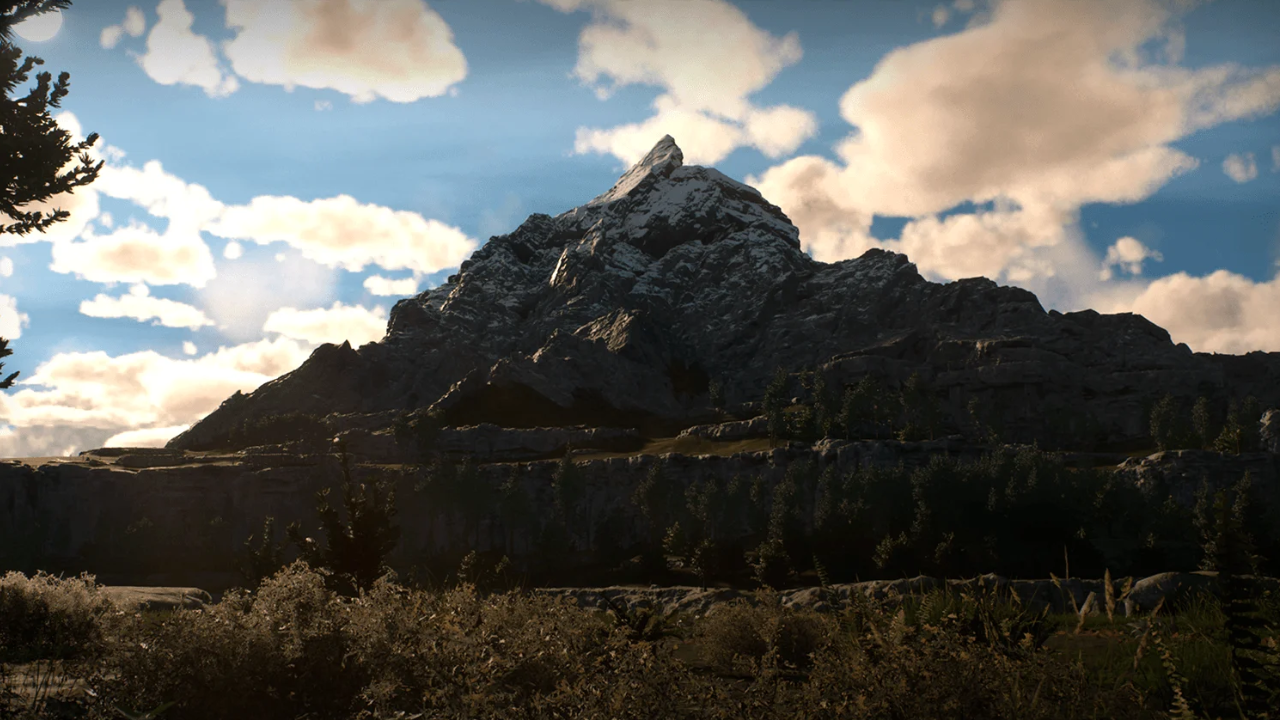
The Anvils offers a similar introductory structure to Riverlands, but it’s framed more as the “explore and take your time” option. It also features a distinct dwarven setting, including time spent inside the mountain—something many players may find more immersive than open plains.
- Mirrored introductory content – Like Riverlands, the early quests introduce mounts, investigation arcs, and your first steps into crafting.
- Streamlined crafting access – Crafting stations that used to require traveling up the road to designated outposts are now inside Bonfire and Hammer’s Rest, reducing travel friction.
- New points of interest added – The region added a large number of new POIs for Early Access, though their impact on gearing and group competition may differ from Riverlands.
Tip: How to Choose Your Starting Zone Fast
If your priority is stability, tested content, and fewer disruptions, lean Riverlands. If your priority is exploration, a unique biome, and you’re okay with rough edges as development continues, The Anvils may feel more rewarding as a “discovery-first” start.
3) The Revamped Early Quest Flow
The updated starting experience is designed to teach you core gameplay loops rather than dumping you into scattered quest markers. Both starting paths are structured to mirror each other so that no matter where you begin, you’ll learn the same foundational systems.
Expect Your Early Journey to Teach These Core Systems
- Mounts early on – You receive a mount at the end of the first quest chain (a horse in one path, a ram in another path), giving you mobility quickly.
- Investigation-driven quests – You’ll investigate bandit activity and then move into dealing with corrupted routes as part of the early narrative loop.
- Crafting and gathering basics – You receive gathering tools, process materials, and craft your first bag—an intentional introduction to gathering, crafting, and processing professions.
- The crate system – You’ll be introduced to delivering a crate a short distance to understand a system that can be impactful for making money.
Tip: Don’t Rush the “Tutorial” Steps
Those early chains are doing more than handing you rewards—they are teaching systems you’ll keep using. Treat the early crafting and crate steps as a practical onboarding rather than a chore, because they establish how resources, movement, and profit loops are expected to work.
4) Early Gear and Loot: What’s Improved (and What to Watch For)
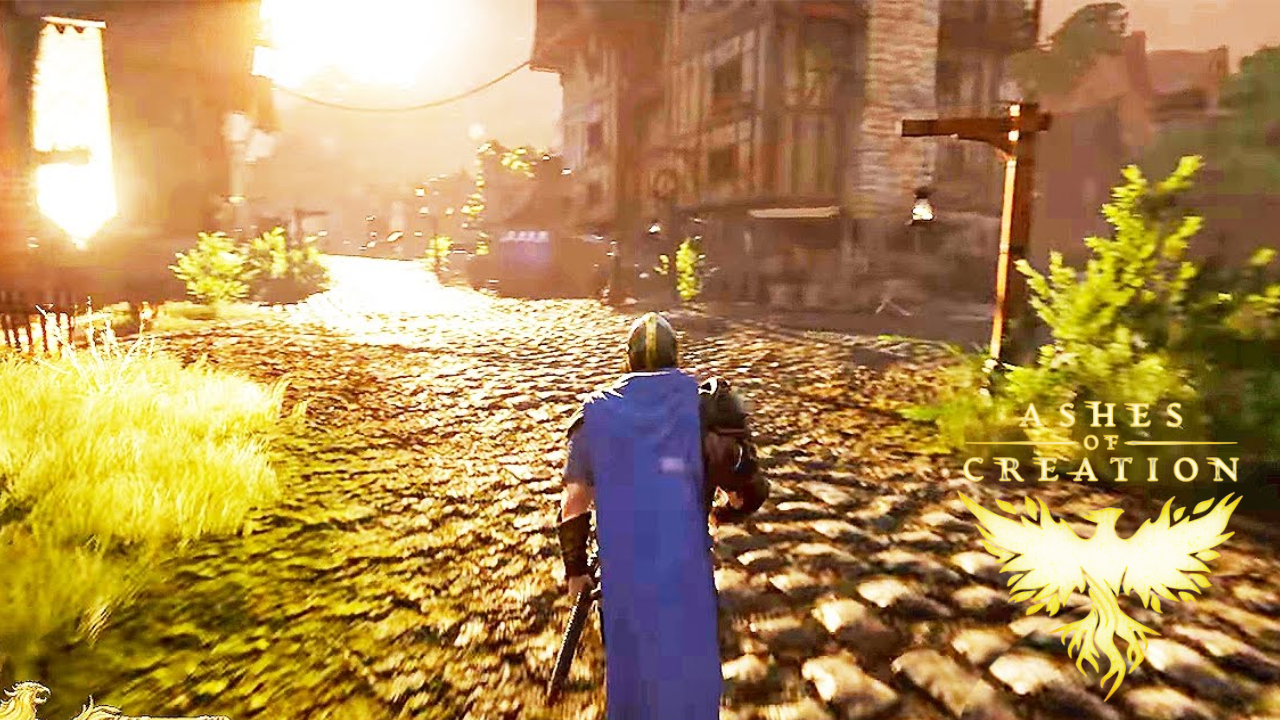
During the level 1–10 experience, gear progression is described as significantly improved compared to previous testing. Quests now reward gear boxes and weapon crates that let you pick light, medium, or heavy armor options.
Common and uncommon drop rates also received a noticeable boost in early levels, making combat feel more rewarding even from unexpected sources.
What to Expect in Levels 1–10
- Quest rewards that actually gear you – Gear boxes and weapon crates help you build a functional loadout instead of relying purely on rare drops.
- More rewarding world drops – Gear is no longer limited to humanoid mobs creatures like crows can drop gear, and unusual enemies can drop recipes, encouraging exploration and combat variety.
Important Watch-Out After Level 10
In the most recently tested build referenced in the transcripts, the boosted drop feeling did not carry past level 10, and gear began to feel scarce again. This can create a “progression dip” as you move toward higher levels. Whether that remains true in the latest build depends on ongoing development, but the practical takeaway is simple:
Tip: Make the most of your level 1–10 gearing momentum—take the gear choice rewards seriously and aim to exit the early game with a solid baseline loadout.
5) Points of Interest and Grinding – Where Your Zone Choice Starts to Matter More
As you move beyond the earliest levels, your starting zone influences how many meaningful grind options, gear opportunities, and tested routes you can rely on. Riverlands is described as having multiple established points of interest across different levels, including locations with rare but unique gear drops.
The Anvils added many new POIs, but the tested experience described them as smaller spaces designed for a single group at a time, which can increase competition and reduce the feeling of “reliable” grinding routes.
Practical Grinding Tips From the Transcript Insights
- Riverlands advantage – More fleshed-out POIs across levels can make it easier to find your next grind target and keep leveling momentum.
- Group expectations – Some POIs with better drops may require grouping and may be contested by other players, especially when servers are busy.
- Anvils reality check – New POIs may feel tight and competition-heavy; if gear drops feel scarce, be prepared for longer farming cycles.
6) Archetypes – Choose Based on How You Actually Like to Play
One of the biggest new-player mistakes is picking a class because it sounds cool, then realizing the playstyle doesn’t match how you enjoy games. Ashes of Creation has eight primary archetypes: tank, cleric, mage, bard, ranger, summoner, fighter, and rogue. Your primary archetype forms your foundation—how you fight, explore, and grow.
Fast Archetype Matching “What Do I Want to Do in a Group?”
Use this as a practical filter before you lock in your identity.
Tank: Control the Fight and Reduce Chaos
The tank is not just high defense—tank gameplay is about control: deciding where fights happen, locking enemies down, and managing threat so your team can function cleanly in PvE and PvP. In PvE, tanks prevent wipes by controlling boss facing, positioning, and incoming pressure. In PvP, tanks “win space” by denying enemy movement and protecting backliners.
Pick Tank if: you enjoy responsibility, positioning, and being the anchor that keeps fights organized.
Cleric: Keep the Team Alive and Stabilize Messy Moments
Cleric is the healer and support backbone. Great healers aren’t purely reactive—they anticipate damage and prepare. In PvE, clerics turn near-wipes into wins. In PvP, the healer is often the win condition: if the cleric survives, your team can outlast and reset fights.
Pick Cleric if: you like clutch saves, reading the battlefield, and being the stabilizer under pressure.
Mage: High Magical Impact Through Combos and Positioning
Mage excels at ranged magical damage and controlling fights with elemental pressure and crowd control. Mages often work through spell sequencing: applying a condition or control effect, then following with heavy spells that benefit from setup. In PvP, mages punish poor positioning and force movement—which breaks formations and creates openings.
Pick Mage if: you like spell combos, AoE impact, and controlling space through pressure.
Bard: The Force Multiplier That Improves the Whole Team
Bard influences fights through buffs, debuffs, and tempo. Rather than one dramatic moment, bard value often comes from constant, ongoing advantages—making groups feel coordinated and smoothing out inefficiencies. In PvP, tempo can decide fights, and bard tools can tilt those trades.
Pick Bard if: you enjoy supporting through buffs, disruption, and making everyone around you stronger.
Ranger: Precision Ranged Damage With Spacing and Target Selection
Ranger offers ranged physical damage that’s straightforward and comfortable for many new players. In PvE, staying at range can reduce mechanic risk compared to melee. In PvP, rangers apply early pressure, finish retreating enemies, and manage engagement distance through spacing and control tools.
Pick Ranger if: you want steady ranged damage and prefer safe positioning with clear targets.
Summoner: Adaptable Tools and Strategic Complexity
Summoner fights alongside summoned creatures, giving flexibility across situations. You can choose summons that behave like tank, DPS, or support tools. In PvE, this can be valuable for solo play and adaptable group contribution. In PvP, summoner forces opponents into more decisions—more decisions often means more mistakes.
Pick Summoner if: you like adaptability, strategy, and managing multiple tools at once.
Fighter: Constant Melee Pressure and Reliable Uptime
Fighter thrives in melee range with constant pressure, mobility, and sustained output. In PvE, consistent uptime is a major performance advantage. In PvP, fighters deny enemy effectiveness by forcing ranged classes to move—movement disrupts rotations and reduces clean damage.
Pick Fighter if: you like brawling, chasing, and staying in the fight nonstop.
Rogue: Stealth, Burst, and Surgical Eliminations
Rogue is about timing, target selection, and disciplined engagement. In PvE, rogues can delete high-priority threats quickly. In PvP, rogues threaten healers and backliners, aiming to break the enemy team’s stability early—but careless engagements can get you removed fast.
Pick Rogue if: you like flanking, burst windows, and high-impact plays with risk.
Beginner Tip: Who Should Pick What First?
If you want a straightforward start, ranger and fighter are often easier to understand quickly. If you want to be instantly valuable in groups, cleric and tank are consistently in demand. If you want higher decision complexity, mage, bard, rogue, and summoner offer more moving parts and a higher skill ceiling.
7) Core Systems You Should Understand Early (Because They Shape Everything Later)
Ashes of Creation is built around interconnected systems—your early actions are meant to plug you into a living world loop rather than isolated quest lines.
Resources, Crafting, and Logistics
Vera’s ecosystem includes trees, ores, plants, and wildlife. You gather materials, craft gear, refine goods, and move items using systems like crates, mules, and caravans. Early questing introduces parts of this so you learn the basics before the economy pressure becomes real.
Open World Danger: PvE Threats and Unexpected PvP
The world is framed as beautiful but ruthless. Expect brutal PvE enemies, unexpected open-world PvP encounters, and major challenges like world bosses. The practical takeaway is that survival and positioning matter from the start—especially if you choose archetypes that are lower survivability and win through timing.
Settlement Growth and Player-Driven Change
Settlements evolve as players explore, fight, craft, and gather. Camps can grow into villages, towns, and cities, unlocking content, politics, merchants, and quests. Players can even lead as mayors and shape laws and direction. This is described as one of the most defining innovations in Ashes of Creation: your activity doesn’t just progress your character—it grows the world around you.
Corruption: A World Threat Players Must Push Back
Corruption changes regions: monsters grow stronger, zones twist, and darkness spreads. Players must rally to push it back or risk regions falling further into danger. This reinforces a core idea: the world isn’t static—conditions can worsen if left unattended.
8) Ocean Content and Fishing: More Than a Side Activity
Beyond Vera’s shores is an ocean system built around ships, exploration, distant islands, and naval threats. Fishing exists on a spectrum: from simple relaxing casts in rivers, lakes, and coastal waters to sport fishing with specialized equipment and progression.
- Fishing variety – freshwater and saltwater species with skill and gear progression (rods, lures, and progression paths).
- Legendary catches – some require the right equipment and even the right vessel.
- Vessel progression – from modest rowboats for shallow waters to ships suited for open sea challenges.
Tip: Treat Fishing as Progression, Not Just Downtime
Because fishing is described with progression paths and gear requirements, players who enjoy economy loops and resource play should view it as a system to develop rather than a throwaway activity.
9) Quick “Tips & Tricks” Checklist for Your First Sessions
- Pick your archetype by playstyle, not by name—your first hours will feel dramatically different depending on what you chose.
- Choose your starting zone based on your tolerance for rough edges: Riverlands for a more tested, stable-feeling route; The Anvils for exploration and a distinct biome with ongoing development.
- Pay attention to the early crafting and crate introductions—they are teaching systems connected to money-making and logistics.
- Use gear boxes and weapon crates intentionally during levels 1–10 to stabilize your build early.
- Expect the world to be dangerous (PvE threats and unexpected PvP), so value positioning and awareness—especially on lower-survivability archetypes.
- Remember the world evolves: settlements grow through player actions, and corruption can worsen regions if players don’t respond.
Your Best Advantage in Early Access Is Learning Systems Early
Because Ashes of Creation is still in active development, the strongest early advantage isn’t secret tech—it’s understanding the core loops: your archetype role, your starting zone’s flow, how crafting and logistics systems begin, and how the living world responds to player activity.
Start with a plan, learn the systems through the early quest structure, and treat your first sessions as both progression and exploration in a world that is still being shaped.

