









STEAM STATISTICS
Player activity
Highest concurrent Steam player count in each hourly interval. All times UTC.
Player insights
AT A GLANCERecent popularity
Peak concurrent players on Nov 17, 2026 (UTC).
Activity trend
Average hourly peaks vs. the previous 24 hours.
Busiest hour
795 players at the average hourly peak.
Monthly average
November 2026 · average concurrent players.
HISTORICAL DATA
Monthly player history
Compare average concurrent players and recorded peaks. The current month is still in progress; “Last 30 Days” is a rolling window.
| Month | Avg. players | Gain / loss | Change | Peak players |
|---|---|---|---|---|
| Last 30 Days | 697.9 | 0.0 | 0.0% | 1,395 |
| November 2026 | 697.9 | 0.0 | 0.0% | 1,395 |
Latest available data · Nov 18, 2026, 22:44 UTC
STREAMING
Twitch audience
Viewers watching streams of Incremental Traffic. This audience is measured separately from players.
Latest available data · Nov 18, 2026, 23:00 UTC
SEARCH TRENDS
Search interest
Relative interest on a 0–100 scale. Search scores describe attention, not the number of people playing.
Updated · Nov 8, 2026, 00:47 UTC
CONTEXT MATTERS
What the numbers tell you
Steam, Twitch and Google measure different kinds of activity. Compare each signal over time to understand how interest in Incremental Traffic is changing.
How ActivePlayer collects dataHow many people are playing right now?
240 concurrent Steam players were recorded in the latest available update. Check the timestamp beside the count for freshness.
How often do the numbers refresh?
The live count checks for updates every five minutes while this page is open. Monthly history and search interest update less frequently. If a feed is unavailable, the last available figures remain visible with their timestamp.
Why might a chart show a gap?
A gap means a measurement is missing. It does not mean zero players, zero viewers, or zero search interest. Newly released games may have only a short history.
The game behind the numbers
About Incremental Traffic
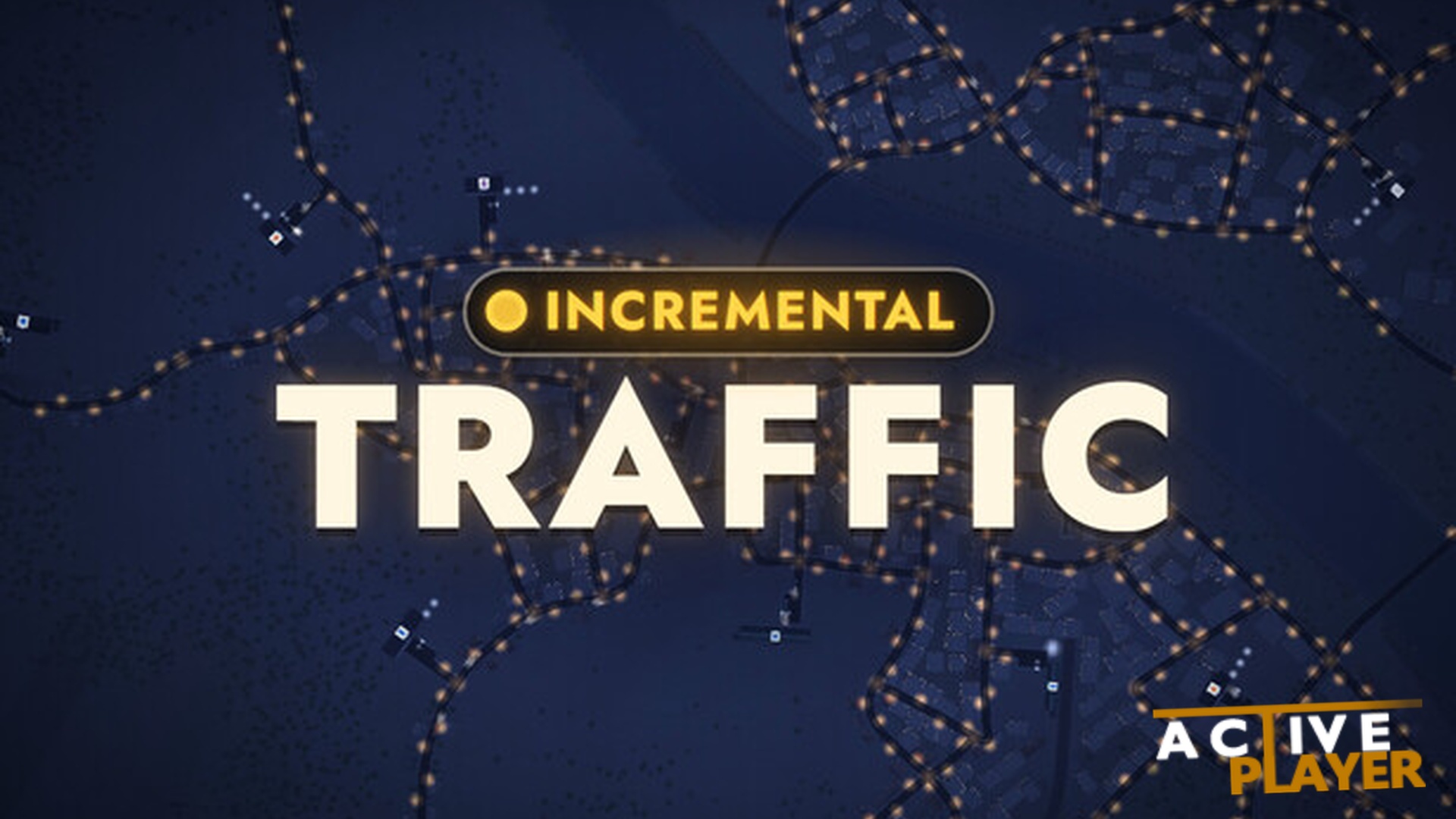
Incremental Traffic makes commercial success the source of its next bottleneck. Rischer Kriebl’s single-player logistics simulation starts with a small freight operation in a generated valley town. Deliveries finance upgrades and additional trucks, but every expansion puts more pressure on the same road network.
More deliveries, harder intersections
The early challenge is straightforward: move goods from their sources to the businesses that need them. As factories accelerate and production chains develop, shared streets become a constraint on throughput. There is no background commuter traffic to blame. The vehicles creating the congestion belong to the player’s own fleet, making route planning and junction management directly accountable.
Most streets are already laid out, so improvement comes from traffic rules and targeted infrastructure decisions. Yield signs, signals, lane configurations and roundabouts help resolve conflicts, while later bridges and bypasses open new routing options. Short production chains keep the emphasis on transportation efficiency. The game also gives players its tools from the start rather than using a run-based meta-progression unlock system.
What the Incremental Traffic player count measures
The Incremental Traffic player count records concurrent Steam sessions, offering a view of the audience currently running the simulation. Longer optimization sessions may keep a player connected while they test a new layout or expand a town. Concurrency alone cannot distinguish a carefully tuned logistics network from a session left observing deliveries.
For this management game, sustained activity after an update is more informative than assumptions about multiplayer demand. Changes to truck behavior, performance or late-game routing may give established players reasons to revisit an existing operation. The statistics do not measure deliveries completed, revenue generated inside the simulation, total owners or monthly unique users. Search interest and Twitch viewing remain separate indicators, and sparse source samples should not be interpreted as zero players.
More city-management activity
Readers interested in infrastructure audiences can also explore Cities: Skylines player statistics. Its broader city-building systems provide a useful point of comparison with Incremental Traffic’s narrower focus on commercial freight and road capacity.
Game profile
- Developer: Rischer Kriebl
- Publisher: Rischer Kriebl
- Format: Single-player transport and logistics simulation
Game details: Incremental Traffic on Steam. Player-count interpretation by ActivePlayer.
