





STEAM STATISTICS
Player activity
Highest concurrent Steam player count in each hourly interval. All times UTC.
Player insights
AT A GLANCERecent popularity
Peak concurrent players yesterday (UTC).
Activity trend
Average hourly peaks vs. the previous 24 hours.
Busiest hour
1,239 players at the average hourly peak.
Monthly average
November 2026 · average concurrent players.
HISTORICAL DATA
Monthly player history
Compare average concurrent players and recorded peaks. The current month is still in progress; “Last 30 Days” is a rolling window.
| Month | Avg. players | Gain / loss | Change | Peak players |
|---|---|---|---|---|
| Last 30 Days | 1,366.2 | 0.0 | 0.0% | 2,619 |
| November 2026 | 1,366.2 | 0.0 | 0.0% | 2,619 |
Latest available data · Nov 26, 2026, 17:19 UTC
STREAMING
Twitch audience
Viewers watching streams of Never Sort By Color. This audience is measured separately from players.
Latest available data · Nov 26, 2026, 17:00 UTC
SEARCH TRENDS
Search interest
Relative interest on a 0–100 scale. Search scores describe attention, not the number of people playing.
Updated · Nov 11, 2026, 01:01 UTC
CONTEXT MATTERS
What the numbers tell you
Steam, Twitch and Google measure different kinds of activity. Compare each signal over time to understand how interest in Never Sort By Color is changing.
How ActivePlayer collects dataHow many people are playing right now?
934 concurrent Steam players were recorded in the latest available update. Check the timestamp beside the count for freshness.
How often do the numbers refresh?
The live count checks for updates every five minutes while this page is open. Monthly history and search interest update less frequently. If a feed is unavailable, the last available figures remain visible with their timestamp.
Why might a chart show a gap?
A gap means a measurement is missing. It does not mean zero players, zero viewers, or zero search interest. Newly released games may have only a short history.
The game behind the numbers
About Never Sort By Color
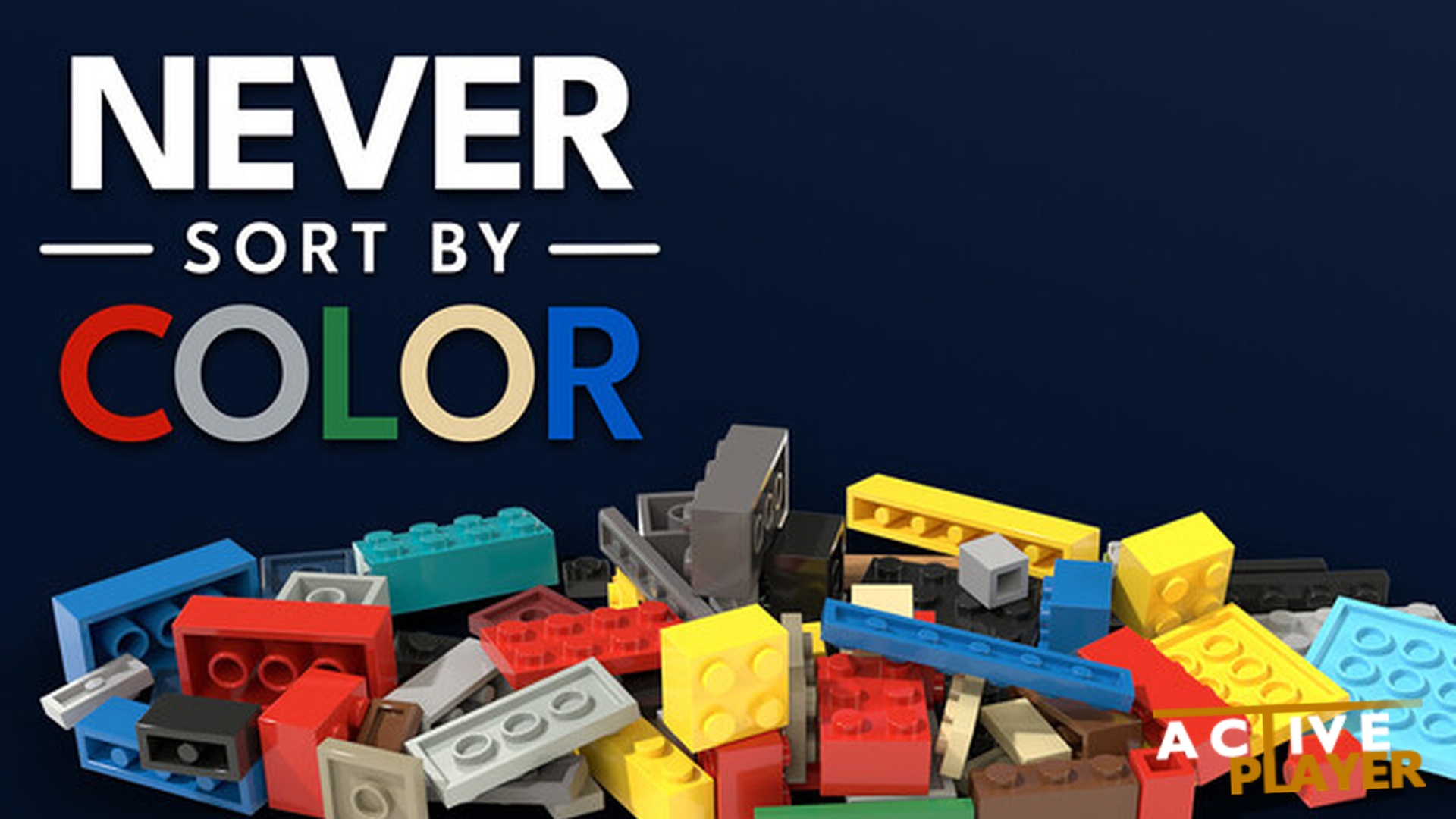
Never Sort By Color makes an inherited pile of plastic building bricks into a workshop organization project. Bryan Livingston develops and publishes the game, which asks players to classify parts by their type and place them in labeled drawers.
From a loose pile to a working parts library
The sorting tools provide different ways to reduce the manual workload. A Magnet Glove draws matching pieces together, Sorter’s Eye highlights useful parts and a sieve separates sizes. Drawer locators help connect the pile on the workbench with the storage system being assembled around it.
Organization then supports construction. An instruction book supplies a bill of materials, and stored pieces become the components for models that remain in the workshop. With no timer or hard failure state, the main decisions concern accuracy, tool use and the order in which to tackle the collection.
Never Sort By Color player count: reading the activity
The Never Sort By Color player count records concurrent Steam sessions across sorting and model assembly. A player cataloguing drawers and one finishing a model both contribute to the same total. The chart cannot measure pieces organized, workshop completion or the size of an individual collection.
A relaxed sorting session may last a different length from a fast action-game round, making like-for-like comparisons more useful than raw totals alone. Concurrent sessions should remain distinct from unique owners or monthly players. Search-interest scores describe relative attention and are not a second source of in-game population.
Related player statistics
Potato Please player statistics offer a contrast in how a repetitive manual task develops through tools and upgrades. Its peeling operation emphasizes production, while Never Sort By Color uses organization to enable building.
Game profile
- Developer: Bryan Livingston
- Publisher: Bryan Livingston
- Format: Single-player brick-organizing simulation
Game details: Never Sort By Color on Steam. Player-count interpretation by ActivePlayer.
