








STEAM STATISTICS
Player activity
Highest concurrent Steam player count in each hourly interval. All times UTC.
Player insights
AT A GLANCERecent popularity
Peak concurrent players yesterday (UTC).
Activity trend
Average hourly peaks vs. the previous 24 hours.
Busiest hour
1,140 players at the average hourly peak.
Monthly average
November 2026 · average concurrent players.
HISTORICAL DATA
Monthly player history
Compare average concurrent players and recorded peaks. The current month is still in progress; “Last 30 Days” is a rolling window.
| Month | Avg. players | Gain / loss | Change | Peak players |
|---|---|---|---|---|
| Last 30 Days | 1,021.2 | +111.0 | +12.2% | 3,757 |
| November 2026 | 909.8 | -936.0 | -50.7% | 2,167 |
| October 2026 | 1,846.3 | 0.0 | 0.0% | 3,757 |
Latest available data · Nov 8, 2026, 09:49 UTC
STREAMING
Twitch audience
Viewers watching streams of Rip It! Card Collector. This audience is measured separately from players.
Latest available data · Nov 8, 2026, 10:00 UTC
SEARCH TRENDS
Search interest
Relative interest on a 0–100 scale. Search scores describe attention, not the number of people playing.
Updated · Oct 31, 2026, 00:12 UTC
CONTEXT MATTERS
What the numbers tell you
Steam, Twitch and Google measure different kinds of activity. Compare each signal over time to understand how interest in Rip It! Card Collector is changing.
How ActivePlayer collects dataHow many people are playing right now?
630 concurrent Steam players were recorded in the latest available update. Check the timestamp beside the count for freshness.
How often do the numbers refresh?
The live count checks for updates every five minutes while this page is open. Monthly history and search interest update less frequently. If a feed is unavailable, the last available figures remain visible with their timestamp.
Why might a chart show a gap?
A gap means a measurement is missing. It does not mean zero players, zero viewers, or zero search interest. Newly released games may have only a short history.
The game behind the numbers
About Rip It! Card Collector
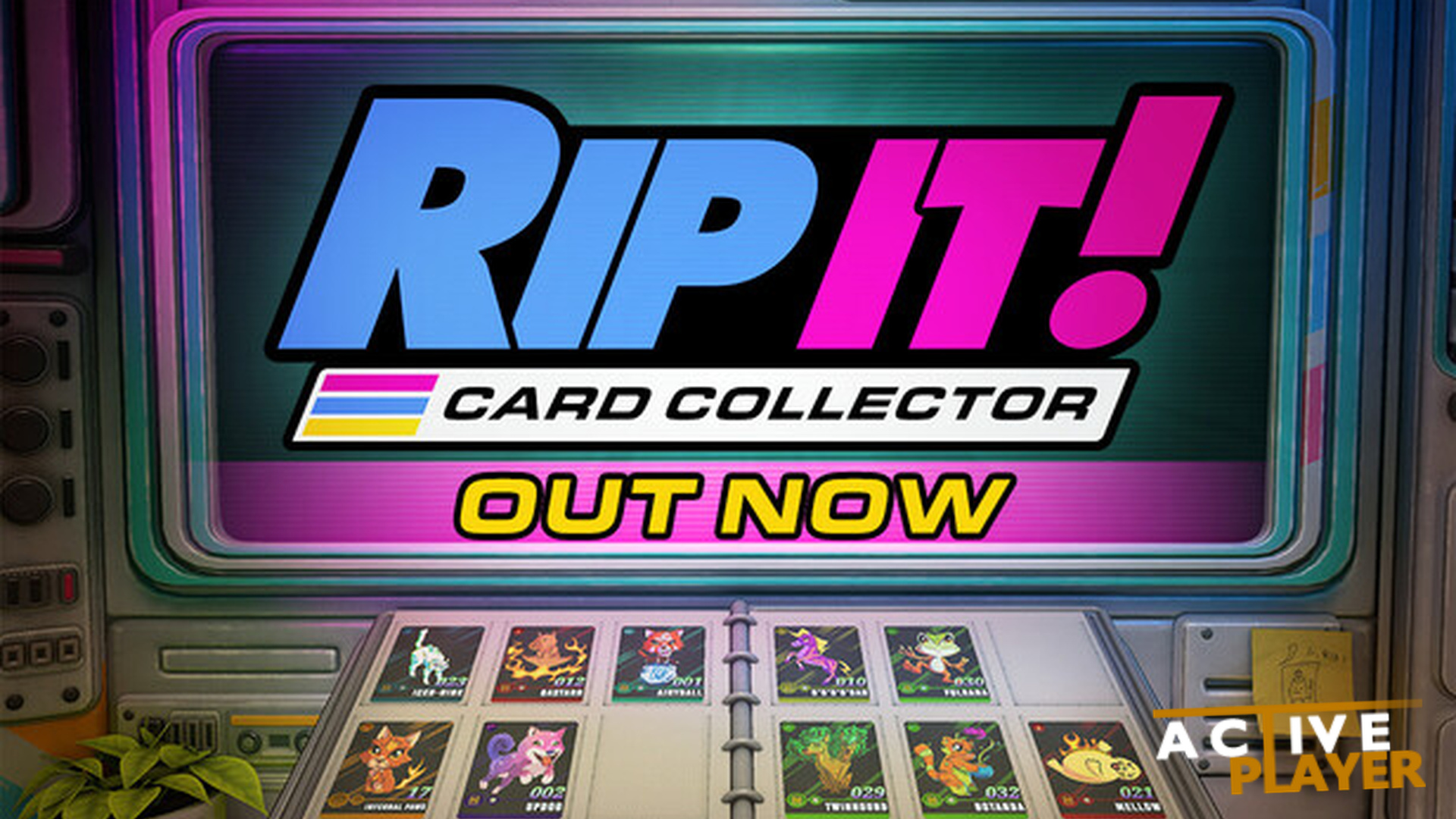
Rip It! Card Collector makes opening boosters and completing a binder the core of an incremental simulation. Cybernetic Walrus gives the collection a practical economy: sort new Critkin cards, keep missing entries and sell duplicates for in-game funds. Reinvestment expands the tools available for the next round of collecting.
From manual sorting to a faster collection workflow
The CritDex provides a collection target, while gadgets such as the RipRig and BinderBot streamline repetitive tasks. Pack opening, duplicate management and binder organization form a cycle of small decisions about efficiency and completion. The relaxed structure leaves room to organize at a personal pace rather than race a timer. Progress is measured through the collection and its supporting upgrades.
Rip It! Card Collector player count: reading the activity
The Rip It! Card Collector player count shows simultaneous Steam activity, including time spent sorting, upgrading and watching automation. It does not reveal how many packs are opened or cards are acquired, and its fictional card economy should not be treated as real-world transaction data. Compare the ongoing activity baseline with short-lived peaks when assessing how long the collection loop continues to draw players back.
Related player statistics
Explore another focused workstation simulation through ReStory: Chill Electronics Repairs player statistics, which applies a different repair-and-management loop.
Game profile
- Developer: Cybernetic Walrus
- Publisher: Cybernetic Walrus
- Format: Single-player incremental card-collection simulation
Game details: Rip It! Card Collector on Steam. Player-count interpretation by ActivePlayer.
