




Crimson Desert launched with massive hype and quickly proved it could deliver strong numbers. Many players expected it to be a game of the year contender even before release. Once it launched, it immediately pulled in a large player base and gained attention across the gaming community.
Crimson Desert Peak Player Count at Launch
Crimson Desert reached around 239,000 concurrent players on Steam during its launch day. That is a strong start for a complex RPG. Even outside peak hours, it maintained over 170,000 active players, showing consistent engagement.
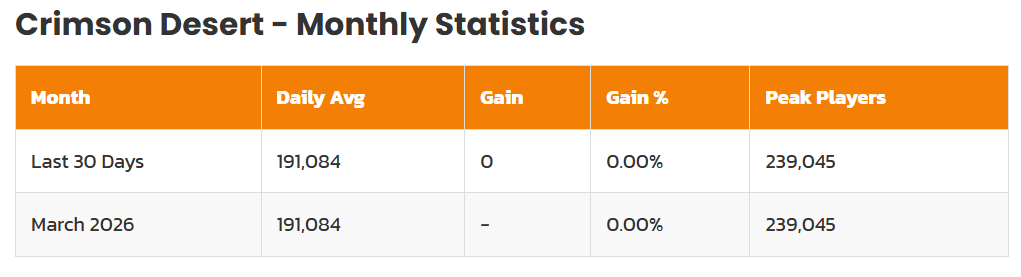
These numbers suggest strong interest from players. It also shows that the hype translated into real gameplay activity. If momentum continues, the game could push past 300,000+ concurrent players during peak periods.
How Many Copies Has Crimson Desert Sold?
Crimson Desert already sold more than 2 million copies worldwide shortly after launch. That is a major milestone for a new release. It confirms that players were willing to invest in the game early.
With strong launch momentum, sales could grow quickly over the following weeks. The early numbers already position it as a commercial success.
Why Crimson Desert Is Getting Attention
The game offers a large amount of content. It includes complex combat, multiple systems, and detailed mechanics. Players also get features like housing and interactive world elements.
This depth attracts players who want a long-term experience. However, it can also overwhelm new players who expect a simpler gameplay style.
Graphics and World Design
Crimson Desert stands out visually. The world looks detailed and immersive. Character designs and armor sets also received strong praise from players.
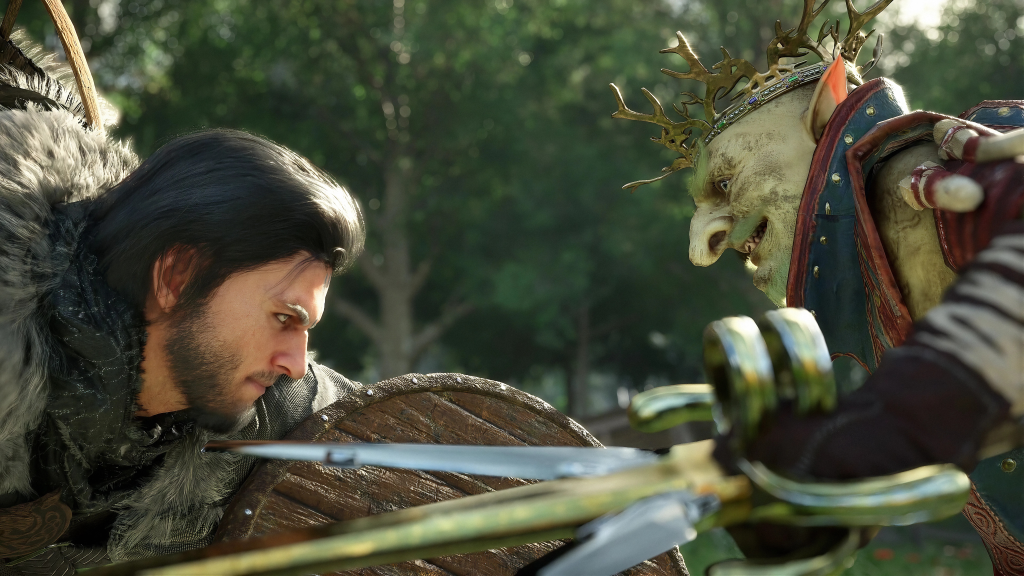
Small interactions, like picking up animals, add personality to the game. These details help make the world feel alive and engaging.
Player Feedback and Reviews
Many players enjoy the game and say it offers great value. They like the depth and the amount of content available. Others, however, criticize the controls and early learning curve.
Some players find the controls clunky. Others feel the tutorials provide too much information at once. This mix of feedback has resulted in mixed reviews during the early phase.
Control and Gameplay Issues
One common complaint is the lack of controller customization. Players want the ability to rebind controls. The current setup can feel restrictive and confusing.
The combat system also requires practice. It is not designed for simple button mashing. Players need time to learn and adapt.
Localization and Interface Problems
Some players report unclear quest instructions. Certain objectives use confusing wording, which leads to mistakes. This creates frustration during gameplay.
Improving localization and UI clarity would make the experience smoother. These issues do not break the game but still affect first impressions.
Intel Arc GPU Issue
Crimson Desert launched without support for Intel Arc GPUs. Players using these cards could not run the game. This caused frustration and refund requests.
Hardware support issues can hurt early reviews. Fixing compatibility problems should be a priority for long-term success.
Game Length and Value
The game offers over 100+ hours of content. Players who explore everything will find plenty to do. This makes it a strong value for its price.
It suits players who enjoy deep systems and long progression. Those who prefer simple gameplay may find it too complex.
Crimson Desert Early Success
Crimson Desert shows strong early performance. High player counts and strong sales confirm its success. The game clearly attracted a large audience at launch.
Despite some issues, many players continue to enjoy the experience. The core gameplay and visuals keep players engaged.
Final Thoughts
Crimson Desert delivered a strong launch with high concurrent players and millions of copies sold. It combines deep gameplay systems with impressive visuals.
The game still needs improvements in controls, UI, and compatibility. If developers address these issues, it could grow even further and maintain its player base long-term.

